Column
ColumnOrient
Associazione Musicale Fadiesis


The “Orienti” project, held in Nova Gorica on April 11, 2025, is part of a cultural initiative aimed at bridging musical traditions from different parts of the world. Born out of the framework of Matera, European Capital of Culture 2019, the project brings together artists from diverse backgrounds to create a unique dialogue between Eastern and Western musical traditions. The collaboration with Japanese artist Manabu Hiyama played a central role in fostering a cultural and artistic exchange between Japan, Lucania (Southern Italy), and the Friulian-Slovenian East.
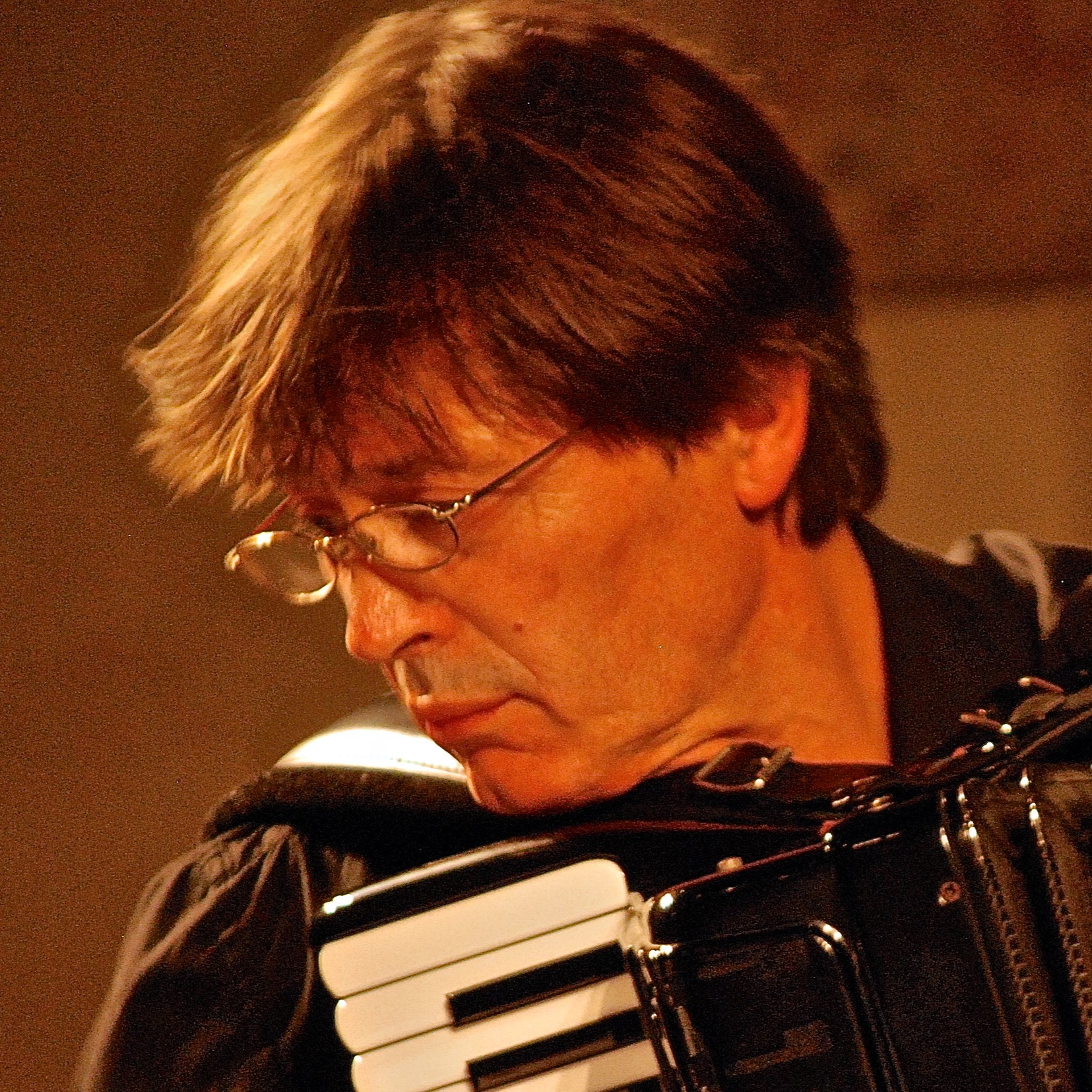
This initiative goes beyond a simple concert series—it serves as a platform for musical and cultural reflection, where distant traditions interact to create something entirely new and unique. Manabu Hiyama, an internationally renowned accordionist, brought his expertise and deep connection to Japanese music and culture to this collaboration. His performances are known for their sensitivity and emotional depth, qualities that were evident throughout the concert.
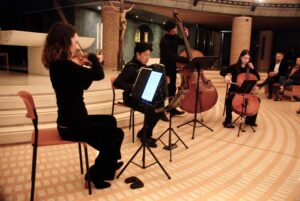
The partnership between Hiyama and the Fadiesis Ensemble resulted in a musical dialogue that was both harmonious and stimulating. The Fadiesis Ensemble, known for its versatility in playing classical and folk music, complemented Hiyama’s style beautifully. The ensemble’s strings, paired with Hiyama’s accordion, created a rich and layered sound, bridging Eastern and Western musical styles. The program featured classical and folk pieces from Japan, Lucania, and the Friulian-Slovenian regions, with many works specially transcribed for the occasion. This effort reflected the dedication to creating a truly original and impactful performance.
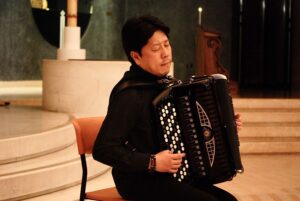
The concert itself was an exciting blend of musical styles. Hiyama’s mastery of the accordion brought emotional depth to each piece, while the strings of the Fadiesis Ensemble added richness and complexity. A particularly memorable moment occurred when Hiyama performed a piece inspired by the landscapes of his childhood in Japan. The emotional power of this piece deeply resonated with the audience, demonstrating how music can transcend cultural boundaries and express universal human experiences.
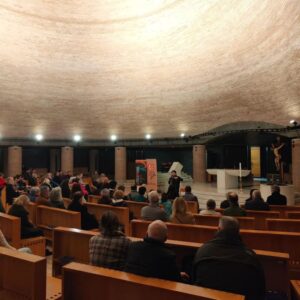
Audience feedback was overwhelmingly positive. Many attendees expressed appreciation for the event’s ability to unite such different musical elements. The fusion of tradition and innovation was especially well-received, as it allowed the audience to explore new sounds while still feeling connected to familiar traditions. The performance was not only an artistic experience but also a space for intercultural exchange, highlighting the universal language of music.
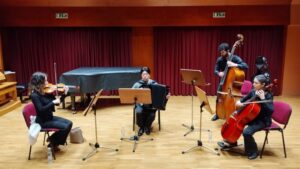
Looking at the broader impact, this project demonstrates the potential for future cultural collaborations. The “Orienti” project, with its focus on intercultural dialogue, showed that music is a powerful tool for promoting understanding between cultures. The success of the concert proved there is a growing audience for intercultural projects that blend traditional and contemporary music.
Looking ahead, there is great potential for the evolution of the “Orienti” project. Future collaborations could involve artists from other parts of the world, fostering even more diverse musical exchanges. By continuing to bridge the gap between different musical worlds, the project can further deepen the connections between cultures and create a broader appreciation for diverse musical traditions.
In addition to the concert itself, there is potential for expanding the project into a broader cultural initiative, including workshops and educational programs. These programs could offer deeper insights into the music of the different traditions involved and provide a platform for collaboration between artists and audiences. Such initiatives could further enrich the intercultural exchange initiated by “Orienti” and open doors to more inclusive and immersive cultural experiences.
The “Orienti” project is an excellent example of how music can serve as a bridge between cultures, offering a space where artistic expression can unite people from all walks of life. The success of the concert demonstrates that music, as a universal language, has the power to foster understanding, empathy, and appreciation among diverse communities.
In conclusion, the collaboration with Manabu Hiyama was a valuable artistic experience and a prime example of how music can break down cultural barriers. The “Orienti” project offers a unique perspective on the world, showcasing the richness of different musical traditions while proving that despite our differences, music has the incredible ability to bring people together. The project not only highlights the beauty of cultural diversity but also encourages further dialogue and understanding through artistic collaboration.
Looking to the future, the “Orienti” project can continue to evolve, fostering an even greater appreciation for global musical traditions. It represents a powerful reminder of the importance of celebrating cultural differences and using art to connect and unite people across the world.